
Your Baby Is Forming Their Relationship With Food Right Now. While You're Reading This.
May 07, 2026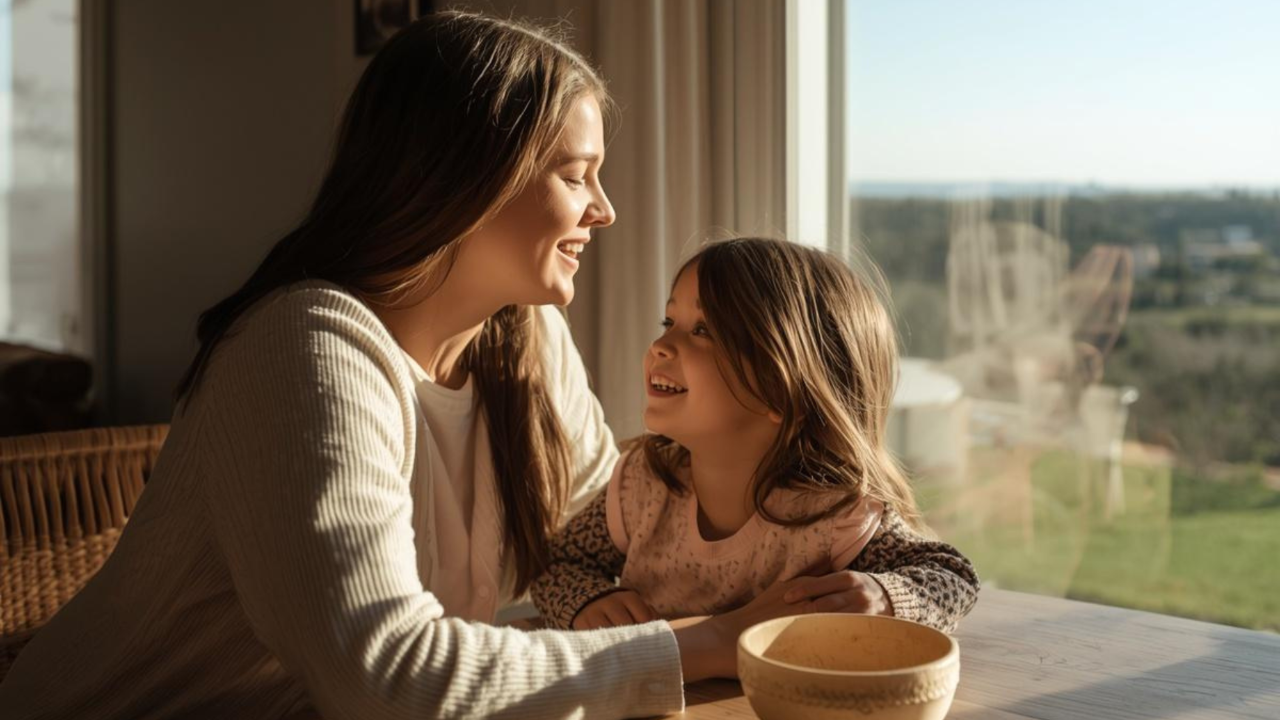
Eight years ago I sat across from my first daughter with a small bowl of something beige and I genuinely thought I was doing the right thing.
I wasn't doing anything wrong exactly. But I also wasn't thinking about what I was actually teaching her. Not about nutrition. About food. About what eating feels like. About whether the table is a safe place or a stressful one.
That's the thing nobody tells you at the beginning. You're not just feeding a baby. You're building the architecture of how another human being will relate to food for the rest of their life. And it starts absurdly early. Like, embarrassingly early. Like, before they have words for any of it.
The beige food problem nobody wants to name
Here's what the mainstream advice looked like when I started: rice cereal, steamed veggie or fruit purées, 100 foods before one. And look, I'm not here to tell you those foods are evil. They're not.
But they're also not doing much for your baby's gut.
Babies aren't just responding to nutrition. They're responding to repetition, texture, experience, flavour. They're building a map of what food IS. And the foods you offer in those first weeks aren't just meals — they're laying the groundwork for gut development, digestive readiness, and what feels familiar and safe to their system long-term.
The ancestral approach I use in Baby Meal Map starts from a completely different premise: that babies' guts are built to handle real, nutrient-dense foods from the beginning, when those foods are chosen thoughtfully and prepared well.
Fussy phases are normal. But they're not inevitable in the way we think.
Most toddlers get more selective. That's real, it's developmentally appropriate, and you're not imagining it. But there's a meaningful difference between a toddler who gets selective within a broad baseline of familiarity, and a toddler who gets selective within a very narrow one.
The first child has a wider net to fall back into. The second child's selective phase can feel like a full food refusal because the list of accepted foods was already short.
Neither situation makes you a bad parent. But one of them is a lot more manageable to live inside.
The mealtime atmosphere is doing more work than you realise
The food on the plate is the foundation. And the environment around the plate amplifies everything.
Babies are watching whether you eat. Whether you seem relaxed or tense. Whether food is something that gets negotiated and stressed over, or something that just happens as part of daily life. They're absorbing the emotional temperature of mealtimes before they can sit up properly.
A relaxed meal with imperfect food will do more for your child's relationship with eating than a nutritionally perfect meal served in an atmosphere of anxiety. I know that sounds controversial. I also know it's true, and I've watched it play out too many times to walk it back.
What Baby Meal Map actually gives you
The whole approach inside 👉 Baby Meal Map is built around starting solids in the way that most supports gut health from the very beginning. We're talking about ancestral, nutrient-dense first foods — chosen and prepared in a way that works WITH your baby's developing digestive system, not against it.
No rice cereal. No generic purée lists. Instead, a clear framework for which foods to introduce, when, and how to prepare them so your baby's gut gets the best possible start.
You'll find a 12-week meal planner with simple daily ideas, guidance on ancestral first foods and why they work, practical preparation methods that support digestion, and a structure that makes the whole thing feel doable, not overwhelming
The honest version of this
Early feeding isn't just a nutrition problem to solve. It's an experience you're creating, repeatedly, across hundreds of small moments. The food is the thing — and choosing the RIGHT foods, at the right time, prepared in the right way, is what sets your baby's gut health, food familiarity, and relationship with eating on a genuinely different trajectory.
It doesn't have to be complicated. It just has to be intentional enough that food becomes something good in your child's life from the very beginning.
That's the whole goal, really.