
The Iron Gap Nobody Talks About When Starting Solids
May 25, 2026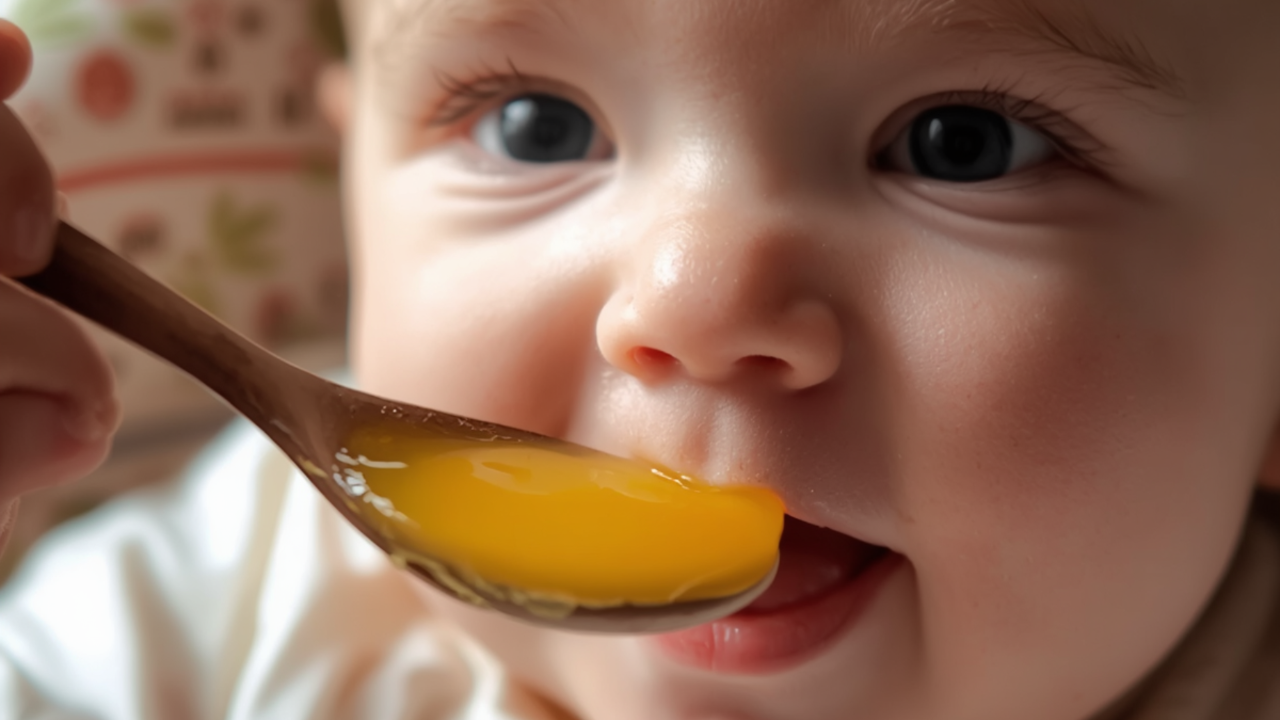
Around six months, babies need more iron than an adult man.
Most parents hear that and go quiet for a second.
Because babies are tiny. They're drinking milk. They're only eating small amounts of food. So naturally parents assume their nutritional needs must also be small.
But this stage of life is one of the most nutritionally demanding of their entire lives.
Babies are growing rapidly. Their brains are developing. Their blood volume is increasing. And by around six months, the iron stores they were born with begin to deplete.
Which means the foods introduced at this stage carry a lot of weight.
This is where feeding advice often falls short. Despite babies having such high iron needs, many parents are still told to begin solids with foods that don't actually deliver much usable iron.
Usually the recommendation is fortified rice cereal.
The reason given is simple: "It contains iron."
But what often goes unmentioned is that the iron in most baby cereals is synthetic. And it is not absorbed in the same way as the iron found naturally in animal foods.
How well the body can use a nutrient matters just as much as whether it contains it at all.
If your baby's body cannot absorb the iron efficiently, the food is not delivering what it promises on the label.
Plant sources of iron are often misunderstood in the same way. Yes, certain plant foods contain iron. But the form found in plants is much harder for the body to absorb, especially in babies whose digestive systems are still maturing.
A baby would need to eat a surprisingly large volume of plant-based iron foods to get the same absorbable iron found in a very small serving of liver.
And realistically, babies don't eat large quantities of food.
Their stomachs are tiny. Their intake varies daily. In the early weeks, many babies are managing just a few spoonfuls at a time.
This is why nutrient density matters so much. Tiny bodies need concentrated nourishment, especially during the first year.
That's where I'd rather parents put their attention. Not on how many foods, but on which foods are actually doing something. Which foods deliver real nourishment in a small amount.
Foods like liver, egg yolks, red meat, slow-cooked meats, broth, and healthy fats. These are not extreme or complicated. They are simply very good at nourishing a rapidly growing baby.
Traditional cultures understood this long before packaged baby food existed. They fed their babies what they knew helped them grow strong. That's all. We have been feeding growing babies for thousands of years. The foods that worked are worth knowing about.
I built The Baby Meal Map because most parents don't lack the desire to nourish their baby well. They just haven't been given a clear place to start.
Inside, we walk through:
- what foods to start with first
- how to introduce foods week by week
- how to build balanced, nourishing meals
- how to prepare nutrient-dense foods in a simple, realistic way
- how to support digestion and gut development along the way
Your baby's iron needs are real, they are high, and they can be met with the right foods.
That is what The Baby Meal Map is built around.