
Feeding Your Baby Grains: Timing, Preparation, and Readiness
May 07, 2026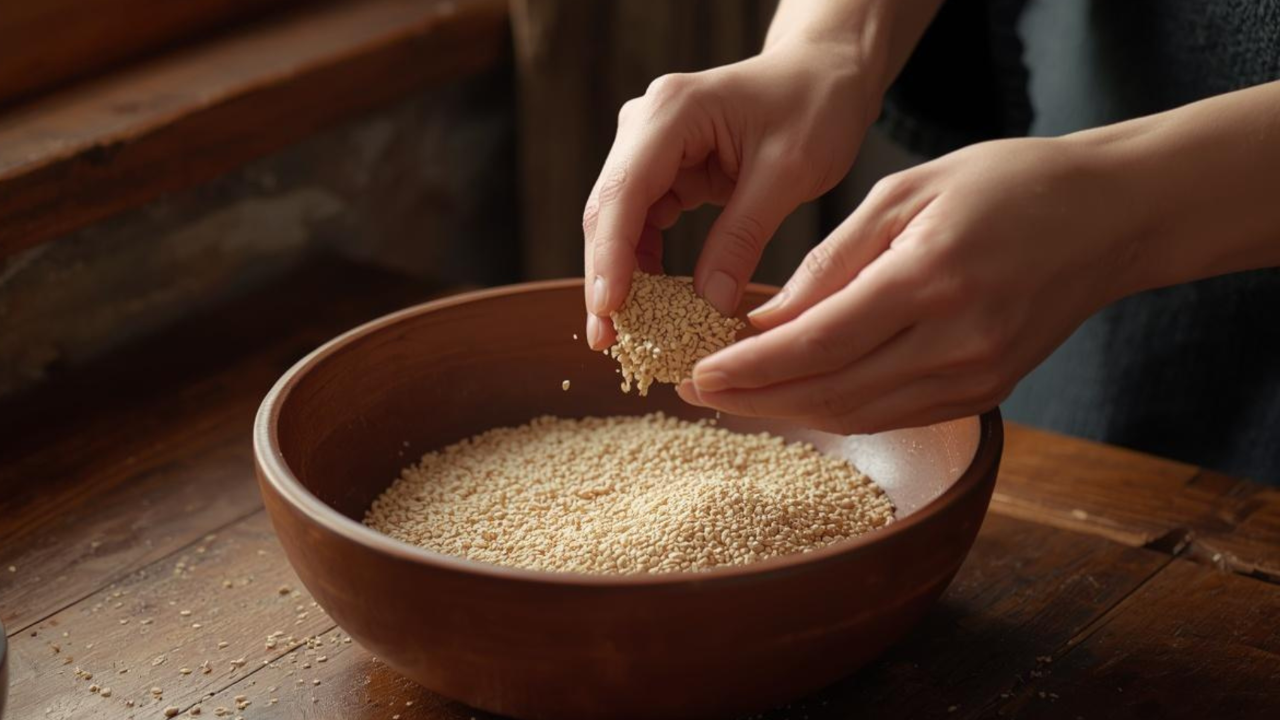
There's a moment most parents hit at some point in the first year where someone — a health visitor, a well-meaning friend, a random corner of the internet — tells them grains are hard to digest. And suddenly a whole food group becomes the enemy.
I want to offer you a different way of looking at this.
Because grains aren't the problem. The way we've been taught to think about them might be.
Before I introduce grains, I always pause at the same two questions
After years of watching babies eat and parents second-guess themselves, I've noticed that almost every grain-related struggle comes back to the same two things.
Is this baby actually ready right now?
And how are these grains being prepared?
That's it. Those two questions will take you further than any chart or timeline ever will. Grains aren't inherently wrong for babies — but they are more complex than early first foods, especially when they're processed or rushed in too quickly.
Timing is the thing nobody talks about honestly
Most of the time, I don't start with grains as a first food. I bring them in later, often closer to the one-year mark, when digestion has had more time to develop and settle.
As babies grow, their ability to handle starches improves. You do not need to wat until their back molars are out or that they turn two. I really don’t like strict rules. I like nuance. I like observing and adapting to my baby. It can actually create a lot of stress for parents to avoid grains altogether for that long and often when I tell them they might not have to wait that long, they feel so relieved!
Preparation is the part that gets glossed over almost every time
Not all grains are created equal. And more importantly, not all preparation methods are either.
Traditional cultures didn't just throw grains in a pot and call it done. They soaked them. They fermented them. They cooked them low and slow. These methods reduce the compounds that make grains harder to break down, and they make the food genuinely gentler on a baby's gut.
So once you have decided that your baby is ready for grains (that will vary depending on baby’s gut readiness), the next step is to prepare the grains properly. The same grain, prepared two different ways, can produce two very different experiences in your baby's body.
Every baby has their own rhythm
There is no single perfect timeline. Some babies tolerate grains from 11 months with zero fuss. Others need to get closer to two before their digestion is ready.
What I always come back to is this: comparison will tell you nothing useful. Observation will tell you everything. Readiness shows up in subtle ways — in how your baby responds after a meal, in their digestion, in their energy. And it looks different for every single child.
This is exactly what we work through inside The Confident Feeder
Because this kind of decision — when to introduce grains, how to prepare them, how to read your baby's responses — it's not something you should have to figure out alone at 11pm on your phone.
Inside The Confident Feeder, you learn how to read your baby's development and respond from a place of clarity instead of anxiety. We cover:
- How to recognise readiness for different food groups, including grains
- Which grains tend to be easier starting points and why
- How to prepare foods in a way that actually supports digestion
- How to introduce new foods without the overwhelm of constant second-guessing
There's also a recipe guide included with grain and legume-based meals for babies and toddlers, because knowing the principles is one thing, and having something you can actually cook on a Tuesday evening is another.
And grains are just one piece of a much bigger picture
Feeding evolves. What works at nine months shifts at twelve. What feels solid at fourteen months gets tested again at eighteen. Inside The Confident Feeder, we go deeper into all of it — digestion and gut development, allergen introduction, meal structure, picky eating phases, real-life feeding situations like daycare and travel, and how to stay grounded as everything keeps changing.
The goal was never a perfect meal plan. The goal is a mother who trusts herself enough to keep showing up, even when it gets messy.
A more grounded way forward
With grains, and honestly with most things in feeding, it rarely comes down to strict rules. It comes down to timing, preparation, and learning to read the baby in front of you.
When you start working with those signals instead of chasing someone else's schedule, feeding gets so much easier I promise!