
Why So Many Mama Question Rice Cereal as a First Food
Jul 02, 2026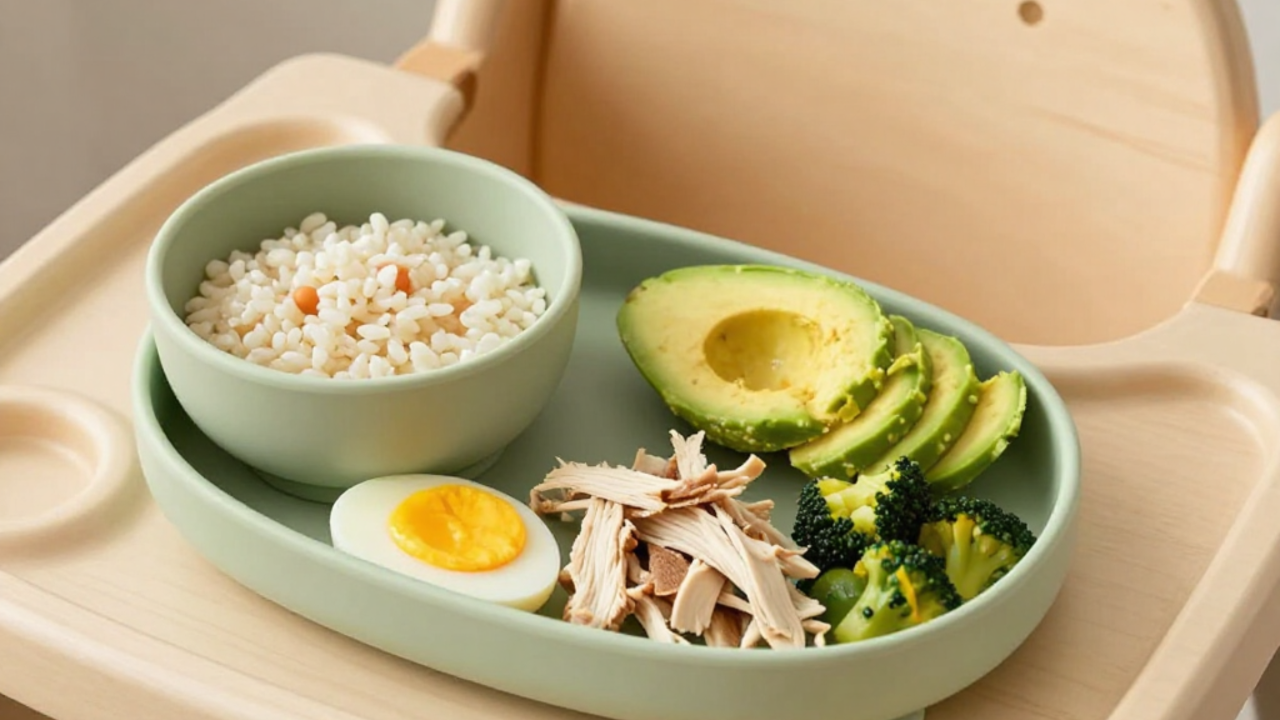
For decades, rice cereal has been one of the most common recommendations for babies starting solids.
It's often presented as the obvious first choice.
So when mamas tell me they don't feel quite right about giving it to their baby, I completely understand.
In fact, I think that instinct is worth listening to.
Because once you understand what your baby actually needs around six months of age, the conversation starts to look very different.
What Changes Around Six Months?
During pregnancy, babies build up stores of iron from their mother.
These stores help support them through the first few months of life.
But by around six months, those iron stores begin to run low.
At exactly the same time, your baby's brain is growing at an extraordinary rate.
And iron plays a vital role in that development.
It's essential for healthy brain function, cognitive development, and carrying oxygen around the body.
In other words, this is one of the most important nutrients your baby needs as solids begin.
Not All Iron Is the Same
This is where things often become confusing.
Many first food recommendations still centre around fortified rice cereal because it contains added iron.
But there's an important distinction that isn't talked about often enough.
The iron added to fortified cereals is a synthetic form that can be difficult for babies to absorb.
Simply seeing "iron" on the label doesn't necessarily mean your baby is getting the amount their body can use.
That's why I encourage parents to think beyond the packaging and ask a different question:
Where does the most bioavailable iron come from?
Looking Back to Move Forward
For generations, babies were often introduced to foods that naturally contained the nutrients they needed most.
- Egg yolks.
- Meat stock.
- Slow-cooked meats.
- Liver.
These foods are naturally rich in highly bioavailable iron and other nutrients that support rapid growth, brain development, and a healthy gut.
They may not be the foods most commonly advertised for babies today, but they've nourished growing children for generations.
Those First Bites Are So Important
Starting solids isn't just about getting your baby used to eating. It's about making the most of a stage when their nutritional needs are incredibly high.
Babies have tiny stomachs but enormous demands for nutrients.
Every bite is an opportunity to support their growth, brain development, gut health, and long-term resilience.
That's why I believe it's worth thinking carefully about which foods earn a place on your baby's plate first.
Not from a place of fear, but from a place of understanding.
A Simpler Way to Start Solids
So many parents are told what to feed their baby, but not why those foods matter or how to introduce them with confidence.
Inside The Baby Meal Map, I'll show you how to build a strong nutritional foundation with nutrient-dense, whole foods that support your baby's brain, gut, and overall development from the very beginning.
You'll learn which foods to introduce first, how to prepare them, and how to take the guesswork out of starting solids, without feeling pressured to follow every trend.
When you understand what your baby truly needs, feeding can feel simple, nourishing, and far less overwhelming.